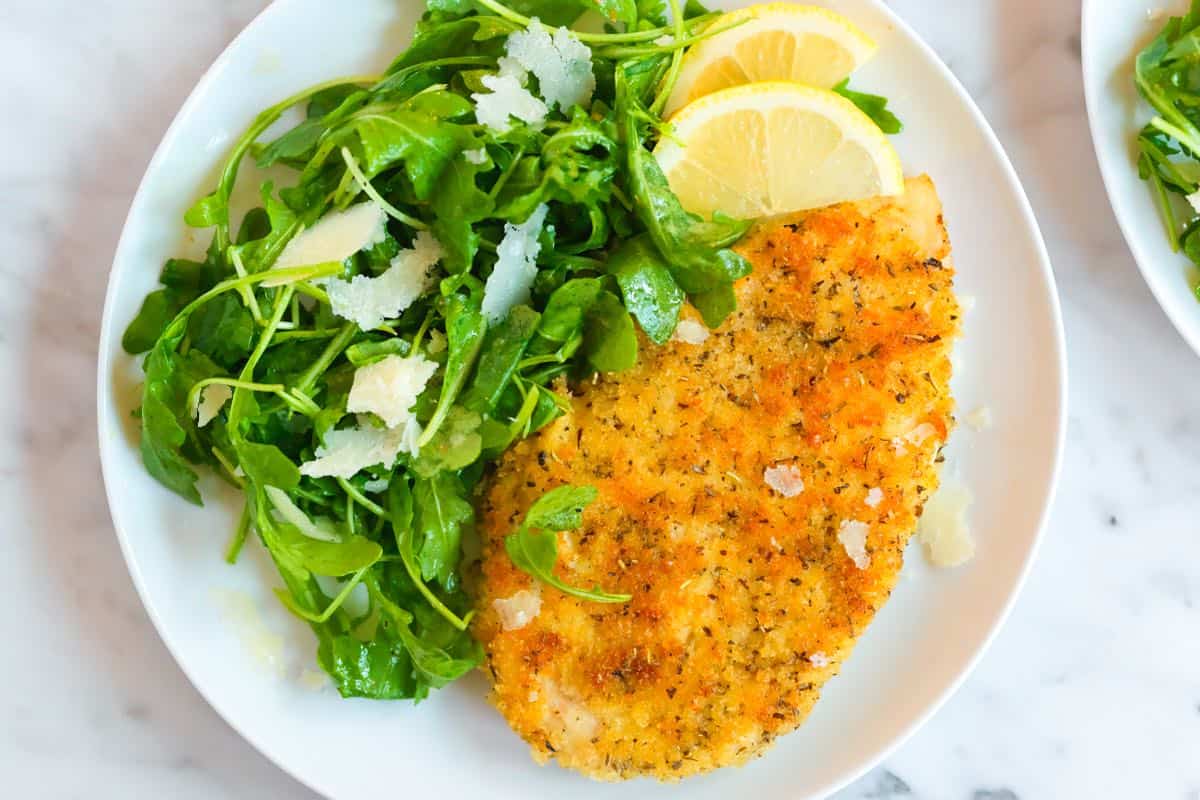
There's an undeniable allure to food that's been perfectly breaded and fried. That satisfying crunch, the tender interior, the golden hue – it’s a culinary experience cherished across cultures. From Germany's hearty schnitzel to Japan's delicate katsu, the world celebrates the humble cutlet. But when it comes to Italian cuisine, one dish stands out as a true masterpiece of this tradition: the exquisite chicken milanese. More than just a simple fried chicken, Milanese is an art form, a symphony of textures and flavors that transforms a basic ingredient into an unforgettable meal.
Often requested in Italian-American homes and gracing the menus of upscale trattorias, Crispy Chicken Milanese: Your 30-Minute Weeknight Dinner offers a delightful paradox: it feels incredibly gourmet, yet it's surprisingly simple to prepare. Ready in as little as 30 minutes, it's the ultimate weeknight hero that promises restaurant-quality results in your own kitchen. This guide will walk you through the essential techniques, expert tips, and nuanced choices that elevate your chicken milanese from good to truly extraordinary, ensuring every bite is met with a killer crunch and a succulent, juicy center.
The Art of the Perfect Chicken Milanese: What Makes It Special?
At its heart, chicken milanese is a testament to the power of simplicity done right. The "Milanese" method, originating from Milan in northern Italy, traditionally involves a thin cutlet (often veal, but chicken and pork are popular variations) that is pounded, breaded, and pan-fried until golden and crisp. What makes this dish so universally beloved isn't just its comforting nature, but the incredible textural contrast it delivers. Imagine: a delicate, golden-brown crust that shatters with the slightest pressure, giving way to an incredibly tender, moist chicken interior. It’s light, never greasy, and deeply satisfying.
While often associated with veal in its country of origin, chicken milanese has become a staple in countless kitchens worldwide due to its accessibility and versatility. It offers a canvas for various flavor profiles, from a simple squeeze of lemon to a robust accompaniment of greens. Its enduring appeal lies in this elegant balance – a dish that feels both celebratory and approachable, making it a go-to for busy weeknights and special occasions alike.
Mastering the Method: Essential Techniques for Success
Achieving that coveted tender interior and crispy exterior in your chicken milanese hinges on a few crucial steps. Nail these, and you'll be consistently serving up perfection.
Preparing Your Chicken Cutlets
The foundation of any great chicken milanese starts with the cutlet itself. The most critical step here is pounding the chicken to an even thickness. This serves two vital purposes:
- Even Cooking: Thinner, uniform cutlets cook quickly and evenly, preventing one part from drying out while another part is still undercooked.
- Tenderness: Pounding tenderizes the meat fibers, resulting in a remarkably succulent final product.
How to Pound: Start with boneless, skinless chicken breasts. You can either slice them in half lengthwise to create thinner pieces, or buy pre-sliced cutlets. Place one cutlet between two sheets of parchment paper or plastic wrap. Using a meat mallet, the flat side of a heavy pan, or a rolling pin, pound the chicken firmly but gently until it reaches an even ¼-inch thickness. Be careful not to tear the meat. This classic Italian technique is non-negotiable for achieving that delicate texture.
The Golden Dredging Station: A Workflow Masterclass
Efficiency is key when breading, and setting up a proper dredging station will save you time and mess. Think of it as an assembly line for deliciousness.
- Flour Station: A shallow dish with all-purpose flour. This creates a dry surface for the egg to adhere to, ensuring an even coating.
- Egg Wash Station: Another shallow dish with whisked eggs. For richer flavor and color, some chefs add a splash of milk or a tiny bit of water to the eggs. This acts as the "glue" for your breadcrumbs.
- Breadcrumb Station: Your final shallow dish, where the magic truly happens.
Expert Tip: The "One Hand Wet, One Hand Dry" Rule: This simple trick is a game-changer for avoiding clumpy, doughy hands. Use one hand (your "wet" hand) to transfer the chicken from the flour to the egg wash, and then from the egg wash to the breadcrumbs. Use your other hand (your "dry" hand) solely for pressing the breadcrumbs onto the cutlet. This keeps your hands clean and your breading process smooth.
Seasoning the Breadcrumbs: Don't underestimate the power of seasoning your breadcrumbs! This is where you infuse flavor directly into the crust. Beyond the basic salt and freshly ground black pepper, consider adding:
- Garlic Powder & Onion Powder: These provide a savory base without the risk of burning fresh garlic.
- Finely Grated Parmigiano Reggiano: This is a secret weapon. It adds a nutty, umami depth and contributes to an incredibly light, deeply flavorful, and crispy crust. Grana Padano or Pecorino Romano are excellent substitutes if Parmigiano Reggiano isn't available.
- A Pinch of Paprika or Smoked Paprika: For subtle color and warmth.
- Dried Italian Herbs: A touch of oregano or basil can elevate the aromatic profile.
- Lemon Zest: For a bright, fresh counterpoint.
While standard dry breadcrumbs work, we highly recommend panko breadcrumbs. Their coarser, flakier texture absorbs less oil and results in a uniquely light, airy, and incredibly crisp coating that never feels heavy. If you're using pre-seasoned breadcrumbs, taste them first and adjust the salt in your recipe accordingly.
Frying to Perfection: Heat Control and Fat Choices
The final step is the pan-fry, and it requires attention to detail. The choice of fat and meticulous heat control are paramount for achieving that perfect golden-brown crispness without burning.
- The Traditional Fat Blend: Olive Oil and Unsalted Butter: This northern Italian pairing is genius. Olive oil boasts a higher smoke point, allowing the chicken to crisp beautifully without immediate burning. A small amount of unsalted butter, however, is what adds that incredible richness, nuanced flavor, and helps create a gorgeous, lightly caramelized golden crust. Use enough of this blend to generously coat the bottom of your pan (about 1/4 to 1/2 inch deep).
- Maintaining the Right Heat: Heat your oil and butter over medium-high heat. Test the oil by flicking a few breadcrumbs into it; if they sizzle gently, it's ready. If they immediately blacken, the oil is too hot. If nothing happens, it's not hot enough. The key is consistent medium heat. Too hot, and the breading burns before the chicken cooks through. Too low, and the chicken absorbs too much oil, becoming greasy instead of crisp.
- Don't Overcrowd the Pan: Fry cutlets in batches if necessary, giving each piece enough space. Overcrowding lowers the oil temperature and leads to soggy results.
- Cooking Time: Cook each side for about 3-4 minutes, or until deeply golden brown and the internal temperature of the thickest part of the chicken reaches 165°F (74°C). Drain cooked cutlets on a wire rack set over a paper towel-lined baking sheet to maintain crispness.
For those seeking a lighter alternative, chicken milanese can also be prepared in an air fryer. To learn more about this method and other cooking tips, check out our guide on Perfect Chicken Milanese: Pan-Fried or Air-Fried Tips.
Beyond the Basics: Flavor Enhancements and Serving Suggestions
While a perfectly cooked chicken milanese is a star in its own right, its versatility allows for exciting flavor variations and delightful accompaniments.
Elevating Your Breadcrumb Blend
We've already touched on the basics, but feel free to let your creativity soar:
- Fresh Herbs: Finely minced fresh parsley or chives can be folded into the breadcrumbs just before dredging for a burst of freshness.
- Chili Flakes: A tiny pinch of red pepper flakes adds a subtle warmth and zing.
- Nutty Flavors: For a truly unique twist, consider adding a tablespoon of finely ground pistachios or walnuts to your breadcrumb mixture.
The Perfect Accompaniments
Traditionally, chicken milanese is served with a fresh, bright side to cut through the richness of the fried chicken and add a contrasting texture. Here are some classic and creative ideas:
- Simple Arugula Salad: Tossed with lemon vinaigrette, this peppery green is the quintessential pairing.
- Garlicky Cooked Greens: Sautéed broccoli rabe, spinach, or escarole with plenty of garlic offer a delicious balance.
- Caprese Salad: Fresh mozzarella, ripe tomatoes, and basil with a drizzle of balsamic glaze provides a beautiful, vibrant contrast.
- Lemon Wedges: A squeeze of fresh lemon juice over the hot cutlet brightens every bite and is absolutely essential.
- Roasted Vegetables: Asparagus, cherry tomatoes, or zucchini, simply roasted with olive oil and herbs, make for a hearty yet balanced side.
Consider serving it atop a light pasta tossed with olive oil, lemon, and fresh herbs, or even as the star of a gourmet sandwich on crusty bread.
Unlocking the secrets to truly tender and crispy chicken milanese isn't about complex techniques, but rather about executing simple steps with attention and care. From the crucial act of pounding your chicken cutlets evenly to setting up an efficient dredging station, and finally mastering the art of heat control while frying, each stage contributes to the unforgettable experience of this Italian classic. By following these expert tips, you're not just cooking; you're crafting a dish that promises a delightful crunch and a juicy interior every single time. So, gather your ingredients, embrace the process, and prepare to elevate your weeknight dinner with a meal that tastes like pure joy. For more quick and easy meal solutions, be sure to explore Crispy Chicken Milanese: Your 30-Minute Weeknight Dinner.
